Hardscaping & Patios
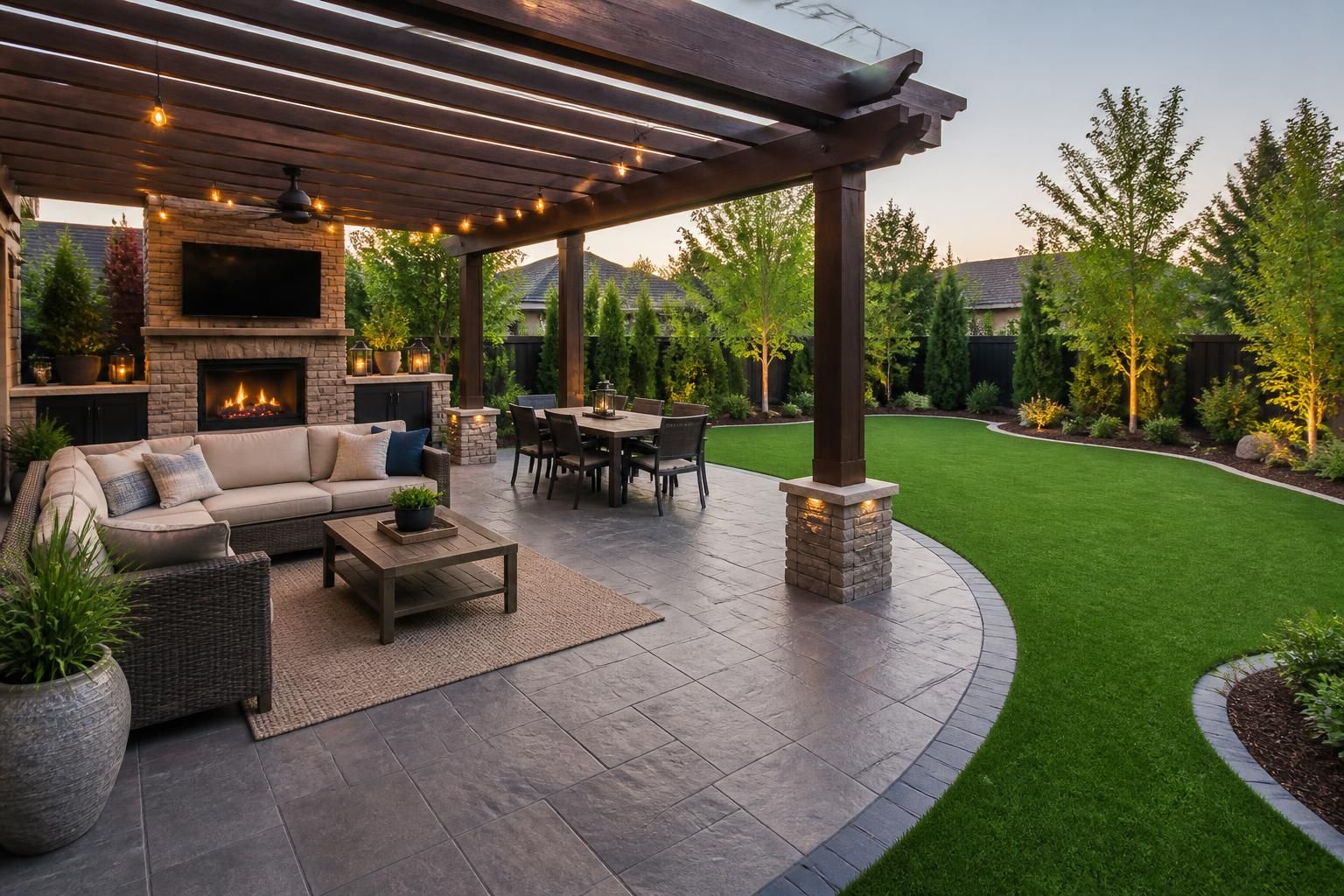
Custom patios and hardscaping that turn unused outdoor space into lasting structure.
Custom patios and hardscaping that turn unused outdoor space into lasting structure.
When a yard feels unfinished, the problem is usually not the size of the space. It is the lack of structure: a patio that never got built, a walkway that cuts across the grass, or a seating area that feels too exposed to use comfortably. Fieldstone Landscape Co. helps homeowners and small businesses turn those gaps into outdoor areas that are easier to enjoy and simpler to maintain.
If your current patio is cracked, uneven, too small, or disconnected from the rest of the landscape, the next step is a plan that fits the property instead of forcing the property to fit the plan. We handle hardscaping and patios for Austin, TX, with designs and builds that bring shape, function, and a finished look to outdoor spaces.
A good hardscape starts with how you want the space to work. Some yards need a quiet sitting area, while others need a larger surface for dining, gathering, or moving between doors and garden beds. Fieldstone Landscape Co. helps you think through how the area will be used so the finished work feels intentional from the start.
Before any build, we look at the layout, access points, and existing landscape features. That helps determine where a patio should sit, how paths should connect, and what materials make sense for the design. A thoughtful plan can prevent a patio from feeling too narrow, too isolated, or awkwardly placed.
Hardscaping does more than add a surface to stand on. It gives your property definition, direction, and visual balance. We build outdoor features that support the way you move through the space while tying into the rest of the landscape.
Fieldstone Landscape Co. keeps the focus on practical outdoor living, not unnecessary extras. The goal is a hardscape that looks natural on the property and supports everyday use.
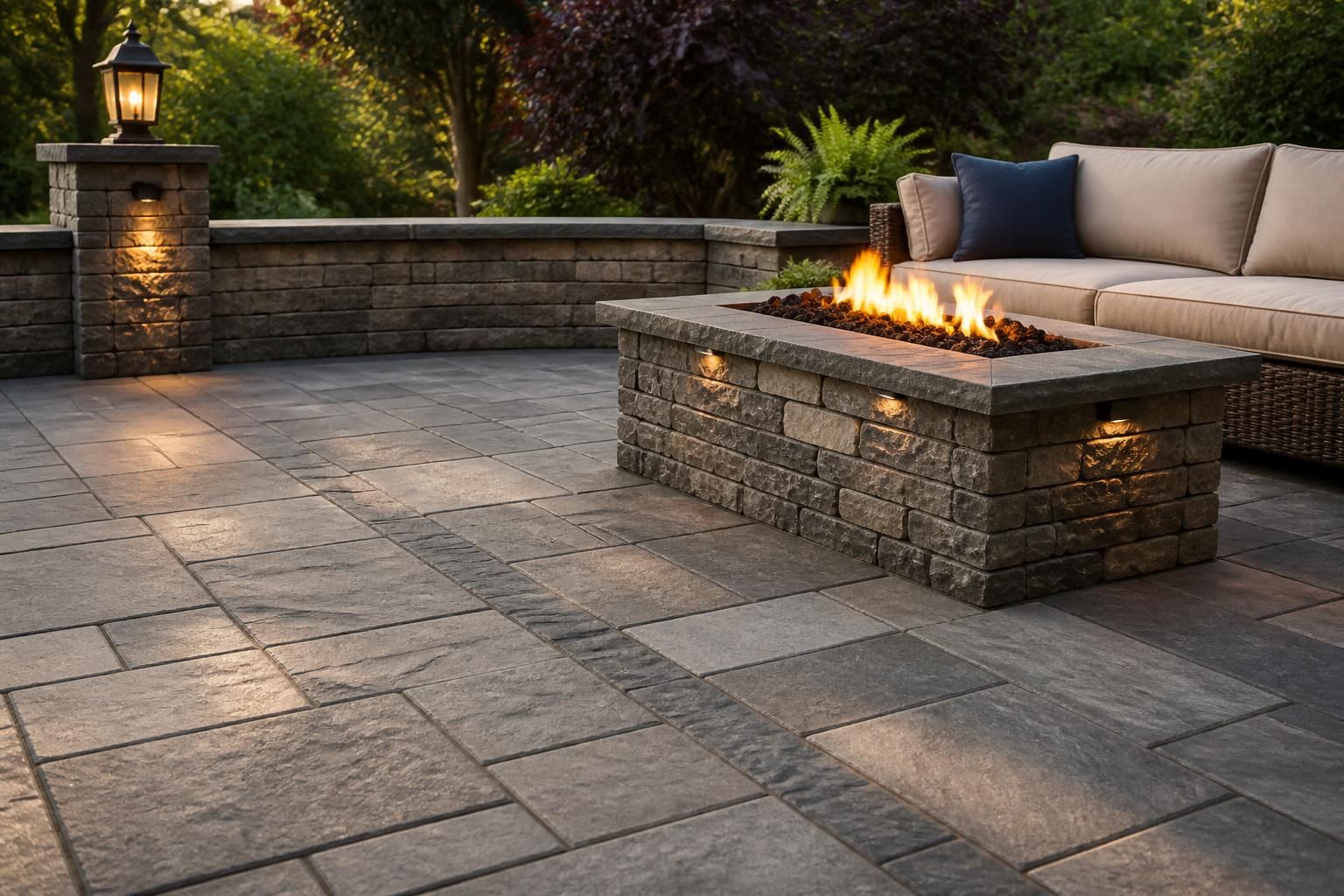
The right materials can change how a patio feels and how much upkeep it needs over time. Some homeowners want a cleaner, more structured look. Others want something that feels warm and understated. Material selection should reflect both style and use, not just a photo on a screen.
Large open yards often benefit from broader patio shapes and simpler material patterns. Smaller spaces may need tighter lines and a layout that makes the area feel more usable without crowding it. We help you choose materials and proportions that fit the space you already have.
A hardscape should complement nearby plantings, lawn areas, and irrigation access. When the layout is planned well, the patio feels connected rather than dropped into the yard as an afterthought. That balance matters just as much as the surface itself.
Good hardscaping depends on more than the visible finish. The work beneath the surface affects how the area settles, how water moves, and how long the patio remains comfortable to use. That is why site preparation matters from the start.
We map the shape and placement so the finished space fits the intended use and connects cleanly with the rest of the property.
A stable base supports the surface and helps reduce shifting over time. This is one of the most important parts of the build.
Once the base is ready, the patio or hardscape materials are installed with attention to alignment, edges, and finish quality.
Edges, transitions, and nearby features are finished so the space feels complete and easier to maintain.
That process gives the finished area a more polished appearance and helps it work as part of the whole landscape instead of standing apart from it.
Hardscapes need to be designed with water movement in mind. Even a beautiful patio can become frustrating if water collects near seating areas, walks toward the house, or leaves surfaces messy after rain. For that reason, drainage and grading are part of the planning conversation, not an afterthought.
We look at slope, surface transitions, and how the new hardscape will sit beside lawn areas, beds, and existing drainage features. If the property needs adjustments for water movement, those considerations are built into the project plan so the finished area works better as a whole.
Some common signs include puddling near paved areas, muddy edges where lawn meets hardscape, or surfaces that feel uneven underfoot. These are worth addressing before or during the build so the finished space is more comfortable and easier to care for.
Fieldstone Landscape Co. keeps the process straightforward for homeowners and small businesses in Austin, TX. You do not need to figure out every detail before reaching out. We help narrow the options, review the space, and shape the project around your goals.
Here is what the process usually looks like:
You share what is not working now and what you want the space to do after the project is complete.
We examine the layout, access, and existing landscape features to determine what the space can support.
We outline the hardscape approach, material direction, and practical details that shape the build.
We complete the patio or hardscape work with close attention to the layout and finish.
That approach keeps the process organized and gives you a clearer path from idea to finished space.
Hardscaping can solve more than one problem at once. It can create a gathering area, make the yard easier to move through, and reduce the awkward gaps that leave outdoor space underused. For many properties, it is the difference between a yard that feels open and a yard that feels ready.
If you have been picturing a patio but do not know exactly how it should be shaped, that is a good place to start. A useful design usually begins with the way the space will be used most often.
Once the hardscape is installed, the surrounding landscape should be kept clean and easy to use. Sweeping off debris, checking joints or edges as needed, and keeping nearby plants trimmed back can help the area stay neat. Lawn care, irrigation, tree and shrub care, and drainage work all play a role in how well the hardscape fits into the rest of the yard.
Fieldstone Landscape Co. can help keep the surrounding landscape aligned with the new patio so the area does not become overgrown, cluttered, or disconnected from the rest of the property.
A patio often feels too small when it does not match the way the space is actually used. If there is barely enough room for seating, movement, or circulation around furniture, the layout may need to be rethought.
They should connect visually to the surrounding landscape. That does not mean every feature must look identical, but the patio, walkways, and planting areas should feel like part of one plan.
Yes, but the site needs to be reviewed carefully. Grading, layout adjustments, and base preparation help determine how the hardscape should be built for the property.
Walkways create a clearer route across the property and reduce the feeling of having to cut across open lawn or planting areas. They also help tie separate spaces together.
Consider how you want to use the space, where people will enter and exit, and whether you want the area for seating, gathering, or simple movement through the yard.
Yes. Patios and other hardscape features often work best when they are coordinated with landscape design, lawn care, irrigation, tree and shrub care, and drainage solutions.
If your outdoor space needs a cleaner layout, a more usable patio, or a better connection between parts of the yard, Fieldstone Landscape Co. can help you plan the right hardscape for Austin, TX. Reach out to talk through your goals and see how we can shape the space into something more useful and complete.
Call +15125550163 to get started with hardscaping and patios that fit your property and the way you use it.
A Few Common Questions
Get Started
Tell us about your property and the work you want done, and we will help you take the next step with a clear plan.